A Rapid Move Under Extraordinary Circumstances
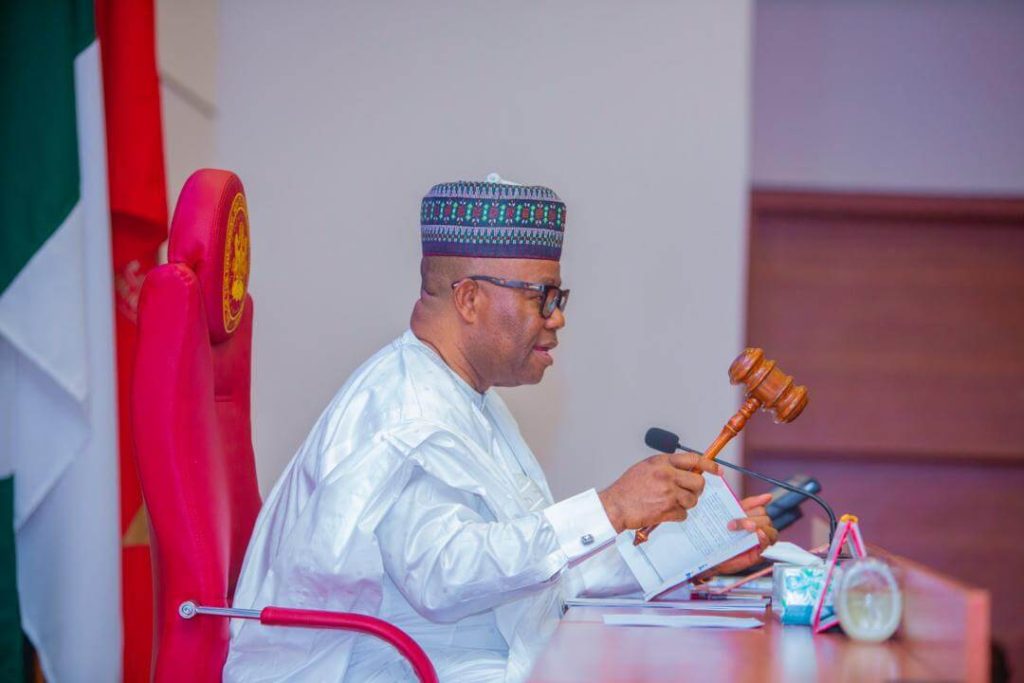
On a day packed with high-stakes deliberations, the Nigerian Senate voted by voice to advance the Rivers State 2025 Appropriation Bill to its second reading. The swift decision came while the state remains under a federally declared state of emergency, a situation that temporarily places its legislative powers in the hands of the National Assembly.
Senate President Godswill Akpabio wielded the gavel after pausing for objections—none came. A robust chorus of “ayes” carried the motion, sending the ₦1.48 trillion spending plan to an ad-hoc committee specially constituted to oversee all emergency-related issues in Rivers State.
Why Abuja Is Legislating for Port Harcourt
Rivers State, Nigeria’s oil and gas nerve center, usually debates its own budget in the House of Assembly. That routine changed when a security crisis prompted the Presidency to invoke emergency powers. By law, the National Assembly must now perform every legislative duty for the state until normalcy returns.
Senate Leader Michael Opeyemi Bamidele set the tone as he introduced the bill:
“Mr. President, distinguished colleagues, we have assumed the critical responsibility of legislating for Rivers State. The appropriation bill before us reflects that duty.”
He reminded senators that federal intervention is designed to be temporary yet decisive, allowing governance to continue without risking a constitutional vacuum.
Inside the ₦1.48 Trillion Spending Plan
Although line-item details will be scrutinized in committee, several headline figures drew keen interest on the Senate floor:
Capital Projects: A significant share is earmarked for rehabilitating bridges, hospitals, and schools damaged during recent unrest.
Security Allocation: Extra funds target community policing initiatives and advanced surveillance technology.
Social Welfare: Enhanced stipends for vulnerable households aim to soften the economic shocks linked to the state of emergency.
Finance analysts estimate that 55 percent of the total outlay will fund capital expenditure, an ambitious ratio meant to jump-start job creation and restore investor confidence.
Voices Calling for Urgency
Chair of the Senate Committee on Finance, Senator Solomon Adeola Olamilekan, argued passionately for speed:
“If we delay, ordinary citizens in Port Harcourt, Bonny, and Ahoada will continue to live as though government has forgotten them. Let us pass this budget so they can feel the presence of the state.”
His appeal resonated with colleagues across party lines. Legislators from coastal and inland regions alike cited the strategic importance of Rivers State to national revenue and energy security.
The Procedure Ahead
The ad-hoc committee now has a tight timeline to:
Hold Public Hearings with Rivers technocrats, civil society groups, and traditional rulers.
Refine Allocations to reflect updated revenue forecasts from oil benchmarks and federal transfers.
Submit a Report to the full Senate for the third and final reading, expected within two weeks.
If approved at third reading, the budget will proceed to President Bola Tinubu for assent, after which federal agencies will supervise implementation until state institutions regain full authority.
Broader Implications for Federalism
Critics worry that emergency rule, if prolonged, could blur constitutional boundaries. Supporters counter that the National Assembly’s swift action proves the resilience of Nigeria’s federal structure. Political analysts note that today’s vote may set a procedural template should other states face similar crises.
Meanwhile, oil unions welcomed the budget’s passage to second reading, seeing it as a signal that pipeline repairs and community development funds are back on schedule. Investors in the Port Harcourt Industrial Park also reacted positively, with several announcing plans to resume stalled projects once funding is released.
Outlook: Hope Hinges on Timely Execution
Passing a budget is only the first step. Ensuring that contractors mobilize, salaries flow, and relief materials reach conflict-hit neighborhoods will test the coordination between Abuja-based administrators and Rivers State field officers.
For now, citizens have reason to expect that stalled road projects will restart, hospitals will receive new equipment, and security patrols will become more visible. As the Senate moves toward a final vote, residents and businesses alike will watch closely to see whether today’s legislative momentum translates into tangible improvements on the ground.
About the Author