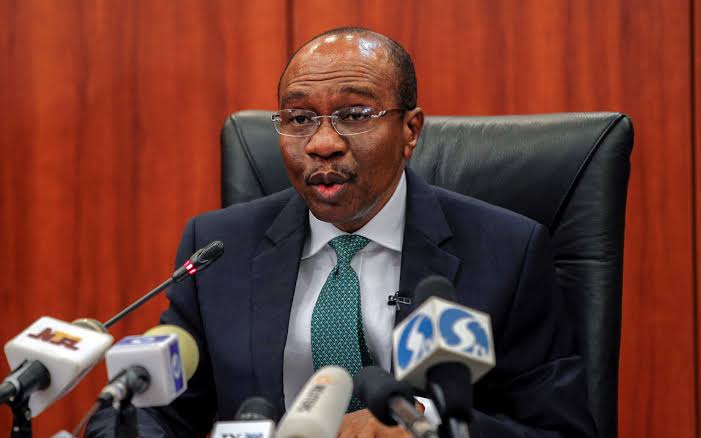
The legal battle over a vast residential development in Abuja has moved to the Court of Appeal, where former Central Bank of Nigeria (CBN) Governor Godwin Emefiele is challenging a judgment that handed the 753-unit estate to the Federal Government. In his Emefiele estate forfeiture appeal, the once-powerful banker insists that the lower court erred when it ordered the Economic and Financial Crimes Commission (EFCC) to take permanent possession of the property in the Lokogoma district.
Background: How the Dispute Began
Late last year the EFCC obtained interim, and later final, forfeiture orders against the estate. Investigators claimed the complex—linked to an unnamed ex-official—was built with illicit funds. On 1 November 2024 the Federal High Court granted the interim order; one month later, on 2 December 2024, the court cemented the decision, vesting ownership in the state.
At that time Emefiele was fighting separate criminal cases in Abuja and Lagos. He says those proceedings consumed his attention and prevented him from spotting the EFCC’s newspaper notice about forfeiture. According to him, the advert appeared in an obscure section that few readers would see.
Why Emefiele Says the Forfeiture Is Unfair
Through senior counsel A. M. Kotoye, the former CBN chief offers four key points:
No fair hearing – He was never served personally, yet EFCC officers interacted with his lawyers daily.
Stake in the project – He claims both legal title and equitable interest after financing construction.
Weak evidence – He argues that the judge relied on “hearsay and suspicion.”
Constitutional breach – Excluding him violated Section 36 of the 1999 Constitution.
“I was unaware of the forfeiture,” Emefiele states, branding the ruling “a miscarriage of justice.”
Inside the Appeal: What He Wants
Filed on 30 April 2025, the Emefiele estate forfeiture appeal seeks to:
Overturn the High Court judgment of 28 April 2025.
Quash the interim and final forfeiture orders.
Approve his earlier motion to be joined and to present ownership records.
His brief says the trial court dismissed that motion without analysing sworn affidavits that trace legitimate funding to the estate.
EFCC’s Counter-Argument
The anti-graft agency insists it followed every procedural step under the Proceeds of Crime Act. Prosecutors say the newspaper publication, though brief, met the legal requirement to notify interested parties. They also point to bank records showing that shell companies tied to a former official funded the estate during an oil boom.
The trial judge agreed, declaring that the notice “could not reasonably be characterised as concealed” and that the evidence met the statutory threshold.
Sale Plans Hang in the Balance
In March the Ministry of Housing announced plans to auction the 753 flats to low- and middle-income Nigerians. Emefiele’s lawyers have urged the minister to halt the sale until the appeal is resolved, warning that any transaction now could expose the government to damages.
Prospective buyers who had already submitted expressions of interest now face uncertainty. Mortgage providers are reluctant to approve loans until title is settled, while construction firms contracted for final finishing works are keeping equipment idle. Every month of delay, analysts say, chips away at the estate’s market value and the government’s projected revenue from the auction.
What Happens Next
The Court of Appeal is expected to fix a hearing date before its long vacation in August. If Emefiele wins, the case may return to the High Court for a full trial or be dismissed outright, clearing the way for him to reclaim the estate. If he loses, the Ministry of Housing can resume the planned auction within weeks.
For observers, the dispute highlights a persistent tension in Nigeria’s anti-corruption efforts: balancing swift asset recovery with constitutional rights. As the Emefiele estate forfeiture appeal unfolds, prospective homeowners and governance watchdogs will watch to see whether due process or expediency prevails.
About the Author