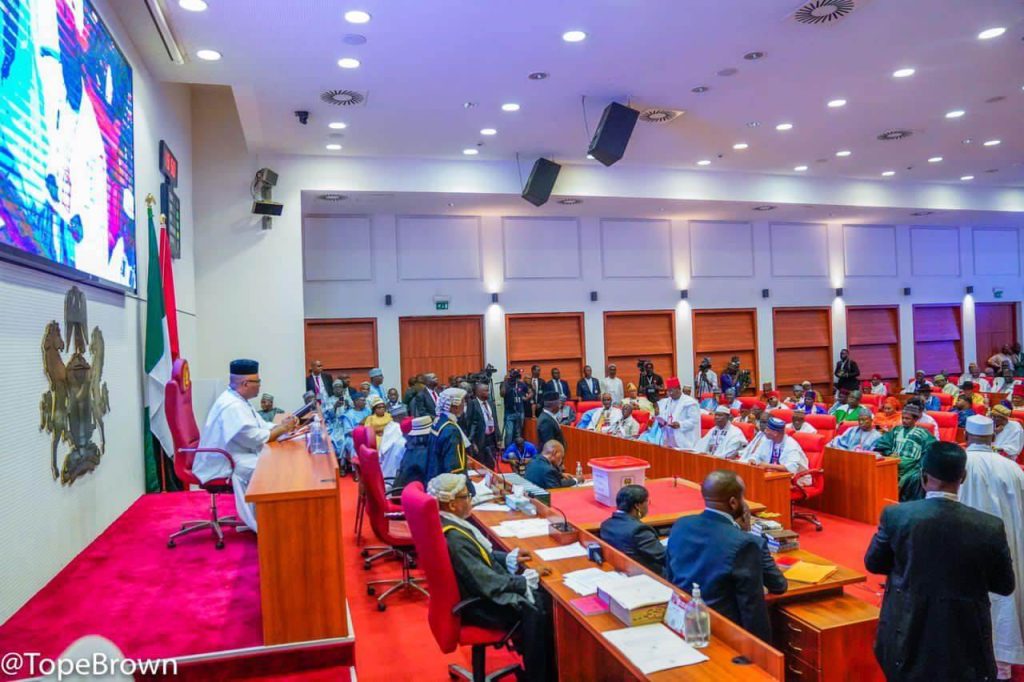
The Senate on Wednesday approved a ₦124.2 billion spending plan for the Nigeria Police Trust Fund (NPTF), unlocking new resources for training, equipment and infrastructure in the 2024 fiscal year. The decision followed the adoption of a report from the Senate Committee on Police Affairs, presented by its vice-chairman, Senator Yunus Akintunde (APC, Oyo).
Allocation Breakdown
Personnel: ₦1.2 billion
Overheads: ₦24.4 billion
Capital projects: ₦98.6 billion
Akintunde said the capital slice will finance the renovation of police stations, rebuilding of barracks, expansion of clinics and purchase of compressed-natural-gas patrol vehicles that lower fuel costs and support the national green-energy drive. Funds will also upgrade training schools, with modules in forensics, cyber-crime and community policing.
Why It Matters
For years the regular police budget has struggled to cover even basic needs. The NPTF—funded by a one-per-cent levy on company profits plus federal grants and donations—offers a ring-fenced stream dedicated to policing. Lawmakers insist the infusion will raise morale and improve response times, especially in rural and peri-urban areas where banditry and kidnapping persist.
Oversight Commitments
Senate President Godswill Akpabio welcomed the package but warned that results, not allocations, will judge success. He directed the Police Affairs Committee to file quarterly oversight reports and promised public hearings if milestones slip. “Every Kobo must translate into visible security gains,” he said.
Key oversight targets include:
Fully functional patrol vehicles in violence-prone corridors.
Noticeable upgrades in at least 50 barracks and divisional headquarters by year-end.
Training data showing officers qualified in modern investigative techniques.
Reaction from Experts and Civil Groups
Security analyst Dr. Amina Yusuf of the University of Lagos told Thepulseinfo that credible oversight is the pivot on which the budget will turn. “We have seen big numbers before; what we need is transparent procurement and measurable outputs,” she said.
The Network on Police Reform in Nigeria (NOPRIN) applauded the Senate’s vote but urged authorities to publish contract details online. “Open competitive bidding will deter corruption and build public trust,” the group argued.
Context: Rising Demand for Effective Policing
Nigeria’s military remains stretched by insurgency and peace-enforcement duties, leaving the police as the first line of defence against everyday crime. Bandit attacks in the North-West, highway kidnappings in the South-West and communal clashes elsewhere all demand rapid, intelligence-driven police action. Analysts believe better housing, reliable mobility and continuous training can shrink response times and re-establish a visible deterrent presence.
How the Trust Fund Operates
Established in 2019, the NPTF pools:
1 % of the annual net profit of companies registered in Nigeria
0.5 % of total revenue accruing to the Federation Account
Voluntary contributions, grants and gifts
Money flows directly to the police, bypassing general treasury bottlenecks. The law also requires the Board of Trustees to submit audited accounts to the National Assembly and the president within six months of each fiscal year’s end.
Next Steps
With Senate approval secured, the budget moves to the president for assent and then to the Finance Ministry for cash release. Implementation guidelines stipulate that the Trust Fund must begin procurement within 60 days of funding and deliver a mid-year performance audit.
Stakeholders will watch for early wins such as visibly refurbished stations, faster response to distress calls and evidence that new training curricula are deployed nationwide. If those indicators materialise, the 2024 package could mark a turning point in the battle to make communities safer.
International partners including UNODC and Germany’s GIZ have pledged advisory support once disbursements start. Their involvement could accelerate procurement reforms.
Bottom Line
The ₦124.2 billion Police Trust Fund budget signals renewed political will to professionalise the Nigeria Police Force. Success will depend less on the size of the appropriation than on disciplined implementation, transparent procurement and relentless oversight—conditions lawmakers claim they are ready to enforce.
About the Author