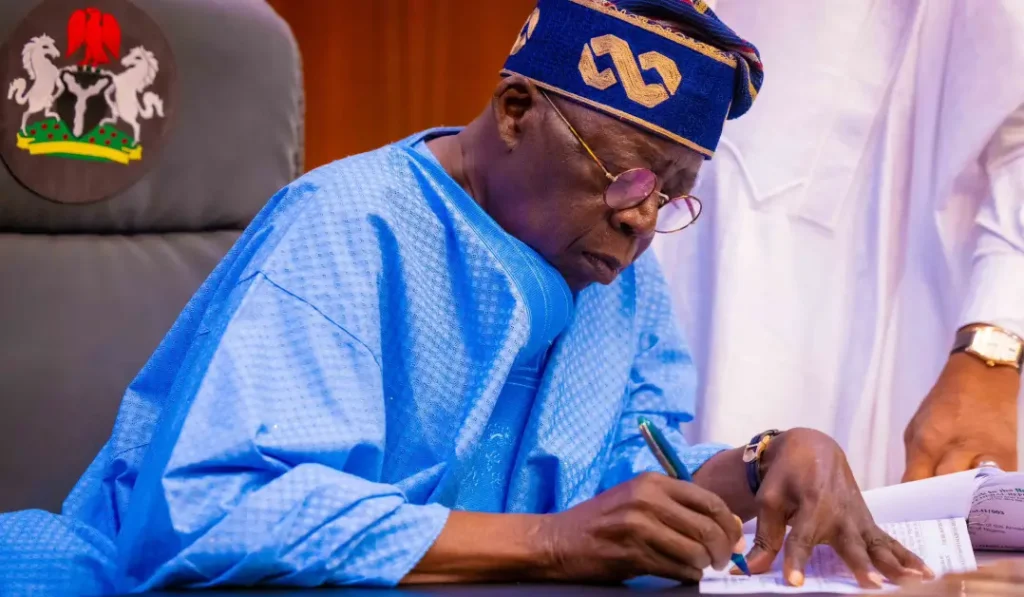
The United States Government has delivered its bluntest message yet to President Bola Tinubu, urging his administration to move decisively against the wave of violence tearing through multiple Nigerian states. In a statement released on the US Embassy’s official 𝕏 handle on Wednesday, Washington expressed deep concern over the “ongoing threats faced by communities and community leaders,” warning that unchecked bloodshed could undermine Nigeria’s democratic and economic aspirations.
The embassy singled out Benue, Plateau, Borno and Imo—regions that have endured a relentless series of killings, kidnappings and reprisal attacks. It noted that recent assaults ranged from militant ambushes in the North-East to communal clashes and highway kidnappings farther south. “The United States Embassy in Nigeria is deeply saddened by and condemns recent acts of violence,” the statement read, describing the uptick as both “troubling” and “unacceptable.”
Condolences and a Call for Accountability
Offering condolences to families who lost loved ones, the embassy stressed that sympathy alone is not enough. It called on Nigerian security agencies to conduct thorough investigations, identify perpetrators and bring them swiftly to justice. The US Government argued that visible accountability is essential to restoring public confidence in law-enforcement institutions that many citizens currently view with scepticism.
A Nudge Toward Comprehensive Security Reform
Beyond immediate arrests, the United States urged Abuja to accelerate broader reforms—modern equipment, intelligence-led operations and improved coordination among the army, police and local vigilante groups. Analysts say the plea aligns with Washington’s long-standing policy of supporting Nigeria’s fight against terrorism and organised crime, yet it also highlights impatience with what many in diplomatic circles see as a slow pace of change since the inauguration of the new government in May 2023.
Rising Humanitarian Toll
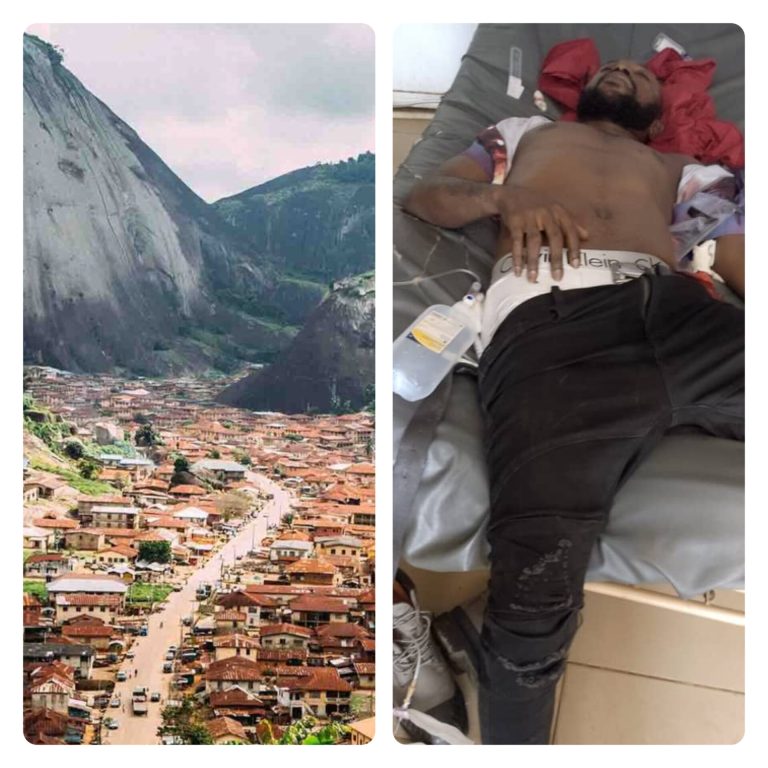
Figures compiled by domestic monitors show hundreds of civilians killed or displaced in the first five months of 2025 alone. In Benue’s Gwer West and Plateau’s Bokkos, entire farming communities have fled night-time raids by armed men. In Borno, Islamic State West Africa Province (ISWAP) continues to launch sporadic attacks along the Maiduguri-Damaturu road, while Imo has witnessed a surge in targeted killings of local officials. The embassy said these tragedies “underscore the urgent need for sustained, coordinated security responses that protect vulnerable populations.”
Tinubu’s Government Under Pressure
Inside Aso Rock, aides insist the president is “leaving no stone unturned.” New deployments of special forces to parts of the North-Central and accelerated procurement of surveillance drones have been announced. Yet critics argue that plans on paper are not translating quickly enough into safer roads, farms and markets. Opposition lawmakers seized on the US statement, claiming it vindicates their warnings about an overstretched security architecture.
International Support—With Strings Attached
The United States reaffirmed its willingness to provide technical assistance in intelligence sharing, human-rights-focused training and community-policing programmes. However, diplomats emphasised that future cooperation will track progress on transparency and rule-of-law benchmarks. “Partnership thrives where accountability thrives,” a senior embassy official told Thepulseinfo on background.
Voices from the Front Lines
Local activists welcomed America’s stance but warned that external pressure must translate into tangible local reforms. Esther Ugba, who leads a women’s peace network in Southern Kaduna, said communities crave both security and justice. “Too often attackers vanish into thin air. Without arrests, families believe nobody cares,” she told this publication. Meanwhile, civil-society groups urged Abuja to bolster early-warning systems, arguing that fast-moving information can prevent isolated attacks from snowballing into wider reprisals.
Economic and Political Stakes
Prolonged insecurity threatens Nigeria’s drive to attract foreign investment in agriculture, mining and digital services. Investors weigh profit against risk, and persistent headlines about massacres or abductions dampen sentiment. Politically, rising violence could erode the Tinubu administration’s support base, especially in rural blocs where voters expected swift relief following campaign promises of “renewed hope.”
What Happens Next?
Security sources say a multi-agency plan to reinforce hotspots should roll out within weeks, backed by emergency funds released under the 2025 supplementary budget. The US Embassy indicated it will watch “both words and deeds,” signalling that global partners demand measurable outcomes—fewer attacks, quicker prosecutions, and credible community engagement.
Ultimately, the statement from Washington is more than diplomatic boilerplate; it is a clear signal that US-Nigeria relations hinge increasingly on Abuja’s ability to protect its citizens. Whether Tinubu can seize the moment and reverse the insecurity curve will shape not only Nigeria’s internal stability but also its standing on the world stage.
About the Author