Former Minister of Police Affairs Adamu Maina Waziri has claimed that the historic June 12, 1993 presidential election did not give Nigerians the candidates they truly desired. Speaking at the Second Posthumous Legacy Colloquium in Abuja—an event honoring the late media icon Chief Raymond Dokpesi—Waziri argued that voters went to the polls only to end military rule, not to endorse the two names on the ballot.
Forced to Pick Babangida’s Allies
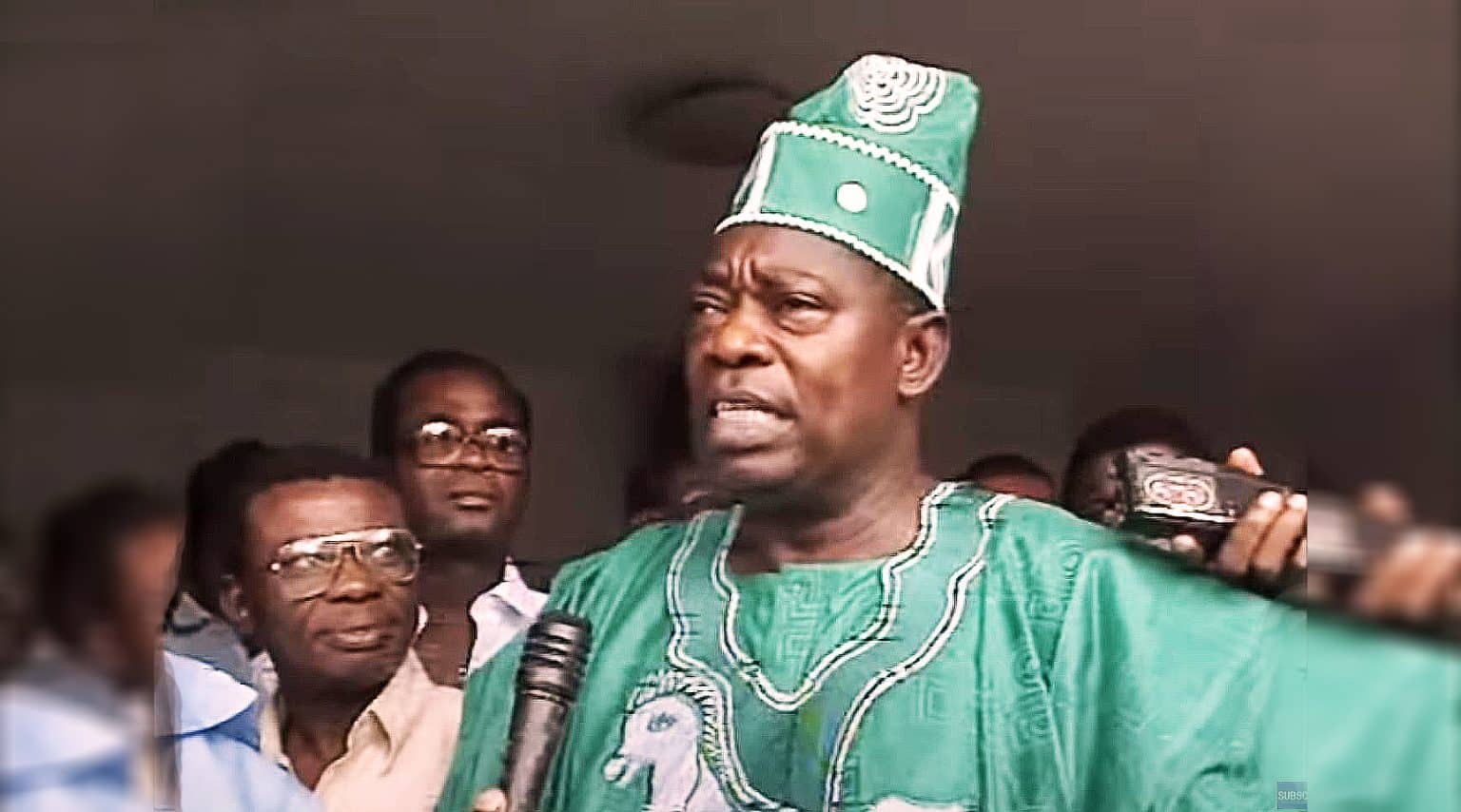
Waziri stressed that the electorate was “boxed into a corner,” compelled to choose between Moshood Kashimawo Abiola and Bashir Tofa, both perceived as allies of then-military ruler General Ibrahim Babangida.
“With due respect,” he said, “Abiola was not the choice of Nigerians, neither was Bashir Tofa. The real favorites were people like Shehu Musa Yar’Adua and Bamanga Tukur.”
In his view, the widely celebrated poll represented a protest vote—citizens desperate to return the country to civilian government after years of military dominance.
A Watershed—But for Different Reasons
While June 12 has become a symbol of Nigeria’s democratic resilience, Waziri maintained that its true significance lies in showcasing citizens’ determination to reclaim their future. Rather than a ringing endorsement of Abiola’s platform, he said, the landslide was “a desperate attempt to end the uniformed era.”
Saluting Dokpesi’s Trailblazing Legacy
Turning to the colloquium’s honoree, Waziri praised High Chief Raymond Dokpesi as a pathfinder in broadcasting, politics, and business. He highlighted Dokpesi’s efforts to widen political discourse—especially through his championing of private radio and television under DAAR Communications—and his pivotal role within the Peoples Democratic Party (PDP).
Democracy Today: A Mixed Report Card
Waziri’s remarks then shifted to the present day. He voiced concern over Nigeria’s current democratic climate and admitted surprise that Bola Ahmed Tinubu emerged as president on 29 May 2023. The former minister urged political actors to reflect on the lessons of June 12, stressing that genuine democratic progress will require free choice, transparent primaries, and candidates who inspire widespread confidence.
About the Author