Have you ever paused to wonder what the world would be like without wind? That gentle breeze on a hot afternoon, the howling gales during a storm, the rustling of leaves—what if it all just disappeared?
It may sound like a peaceful idea at first. No wind would mean no hurricanes, no tornadoes, and no chilly gusts messing up your hair. But in reality, the absence of wind would bring serious consequences—many of them unexpected and downright dangerous. Our planet, as we know it, simply couldn’t function without wind.
The Role Wind Plays on Earth
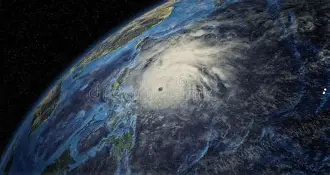
Wind isn’t just air moving around for fun. It’s a powerful natural force that plays a vital role in regulating Earth’s climate and maintaining balance in the environment. Wind is created by the uneven heating of the Earth’s surface by the sun. Warm air rises and cool air rushes in to take its place—this movement is what we feel as wind.
Wind helps distribute heat and moisture across the globe. It carries warm air from the equator toward the poles and brings cooler air back down. This natural system keeps temperatures relatively stable and livable. Without wind, many regions would become scorching hot, while others would freeze.
Say Goodbye to Rain
No wind means no rain. Shocking, right? But it’s true.
Wind helps carry moisture from oceans and seas to land. It forms clouds and helps move weather systems across continents. Without it, many parts of the world would dry out completely. Crops would fail, rivers would shrink, and droughts would become permanent.
The water cycle would be thrown out of balance. Without wind, evaporated water would just hang in the atmosphere or fall back into the ocean. Agricultural areas that rely on seasonal winds for rainfall—like monsoons in Asia—would turn into deserts.
Pollution Would Hang Around
In a windless world, air pollution wouldn’t go anywhere. Smoke from factories, car exhaust, and even natural emissions would just linger in the air. Cities would be trapped in clouds of toxic smog, and air quality would worsen by the day.
This stagnant air would increase respiratory diseases and make life unbearable in urban areas. Forest fires would be harder to control without wind to disperse the smoke. Basically, the air would become dangerous to breathe in many places.
Ocean Currents Would Stop Too
Here’s another major shocker: without wind, ocean currents would slow down or stop entirely. That’s because wind is one of the main forces driving surface currents in the oceans.
These currents are essential for regulating global temperatures. They carry warm water from the tropics toward colder regions and help circulate nutrients that support marine life. If the currents stopped, ecosystems would collapse. Fish populations would drop, and the ocean’s food chain would be in crisis.
Life Would Struggle to Survive
The chain reaction caused by a world without wind would be devastating. From failed crops to extreme weather, from stagnant pollution to dying oceans—the planet would be in trouble.
Animals and plants rely on wind too. Pollination, seed dispersal, bird migration—all are supported by wind. Even the electricity we generate from wind turbines would vanish, cutting off a clean and renewable energy source.
Humans would struggle to adapt. Food shortages, rising temperatures, and a collapsing climate system would force mass migrations and create global unrest.
A Still, Silent, Dangerous World
A windless Earth wouldn’t just be still—it would be silent in a haunting way. No rustling leaves, no whisper of air, no crashing waves driven by coastal winds. Just a hot, polluted, and slowly dying planet.
Wind may seem invisible and sometimes annoying, but it’s one of the Earth’s greatest life-sustaining forces. Without it, the balance of nature would collapse, and so would life as we know it.
Final Thoughts
So the next time a breeze brushes your cheek or you hear the wind whistling through the trees, take a moment to appreciate it. Wind isn’t just background noise—it’s one of the unsung heroes of our survival.
A world without wind? It’s not just unthinkable—it’s unlivable.
About the Author