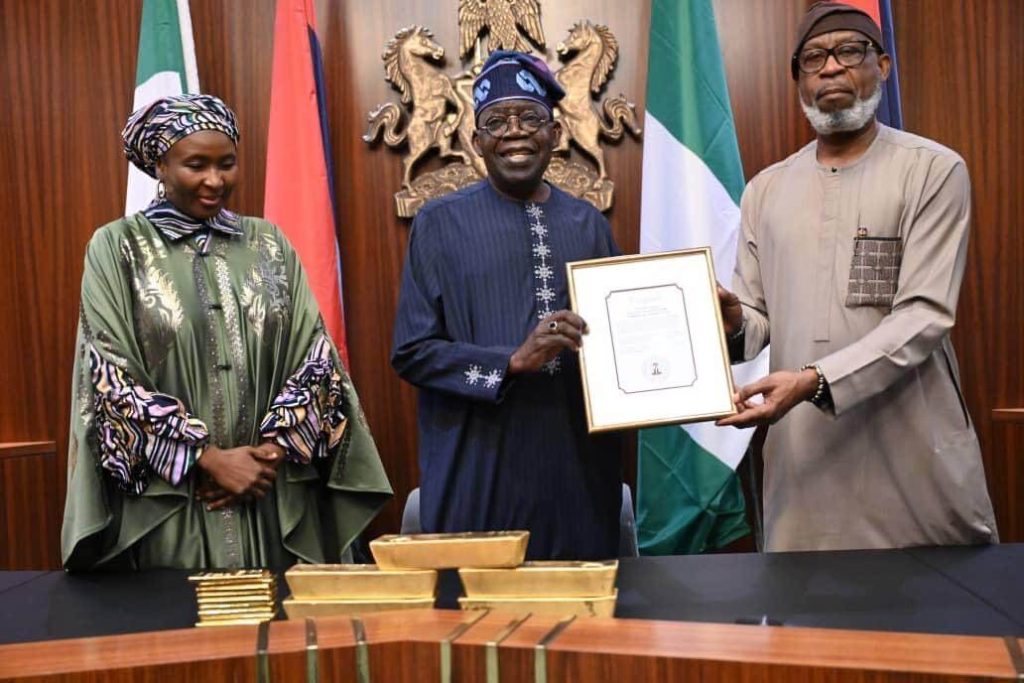
Nigeria’s bid to diversify away from oil is paying off. According to Minister of Solid Minerals Development Dr Dele Alake, the country secured $800 million in new investment during the 2024 fiscal year—a windfall that lifted government revenue from ₦6 billion in 2023 to ₦38 billion by year-end. The leap underscores the impact of fresh policies championed by President Bola Tinubu’s administration to unlock the economic power of the nation’s vast mineral deposits.
Why the surge happened
When Alake assumed office in mid-2023, he inherited a sector “largely under-performing.” His first move was to tighten the licensing system. Companies now obtain permits only after presenting credible plans for local processing instead of exporting raw ore. This single change triggered a wave of value-addition projects that turned dormant mining leases into live construction sites.
“Exporting unprocessed minerals wasn’t helping our economy,” Alake noted. “We insisted on domestic beneficiation, and the numbers prove it works.”
Flagship processing projects
Investors responded quickly. Over $800 million flowed into at-home refining and conversion plants last year:
-
$600 million lithium processing complex straddling Kaduna and Niger States, set for commissioning in the coming weeks.
-
$200 million multi-metal refinery near Abuja, now in final test runs.
-
Two additional plants in Nasarawa State, scheduled to start operations before the third quarter of 2025.
These facilities promise thousands of direct and indirect jobs, technology transfer, and a reliable supply chain for local battery, steel, and ceramics manufacturers.
Huge push on exploration data
Credible geological information is essential for serious investors. Nigeria had budgeted a meagre $2 million for exploration before the reforms—far below Côte d’Ivoire’s $148 million and South Africa’s $300 million. In response, the ministry has secured ₦1 trillion (about $700 million) strictly for nationwide exploration campaigns. Mapping fresh deposits of lithium, gold, rare-earth elements, and iron ore will de-risk future projects and keep investor interest high.
Cracking down on illegal mining
Growth must be sustainable. The ministry has intensified enforcement, partnering with security agencies to curb illegal extraction that robs communities of royalties and devastates the environment.
-
300 illicit miners—including foreign nationals—were arrested in 2024.
-
150 prosecutions are under way, with several convictions already recorded.
Alake insists the clampdown will continue. “We cannot allow banditry to undermine hard-won investor confidence,” he said.
Empowering small-scale miners
To widen participation, the ministry helped formalise over 250 cooperatives. The groups provide small operators with easier access to finance, modern equipment, and shared processing hubs, ensuring they benefit from Nigeria solid minerals investment 2024 rather than being crowded out by big multinationals.
Regional leadership for fairer trade
Nigeria now chairs the African Mineral Strategy Group, a new continental bloc promoting local value addition, uniform environmental standards, and transparent trade terms. The leadership role aligns with President Tinubu’s pledge to position Nigeria as a powerhouse for responsibly sourced critical minerals.
Investor confidence hits record high
Momentum is visible in the numbers. The Mining Cadastral Office logged more than 10,000 licence applications in Q1 2025 alone—a stark contrast to the trickle of paperwork seen two years ago. Analysts attribute the spike to clearer rules, faster approvals, and the prospect of plugging directly into domestic processors rather than relying on distant smelters overseas.
Outlook: from potential to prosperity
While challenges remain—power supply, transport links, and community engagement—the direction is clear. By insisting on value-addition, funding exploration, tackling illegal activity, and supporting artisans, Nigeria is turning its mineral wealth into real economic value.
Alake summed it up: “We still have work to do, but with Nigeria solid minerals investment 2024 setting the pace, the sector is on an irreversible path to growth. Our people, our industries, and our future will reap the benefits.”
For continuous coverage of Nigeria’s mining revival, stay tuned to The Pulse Info.
About the Author