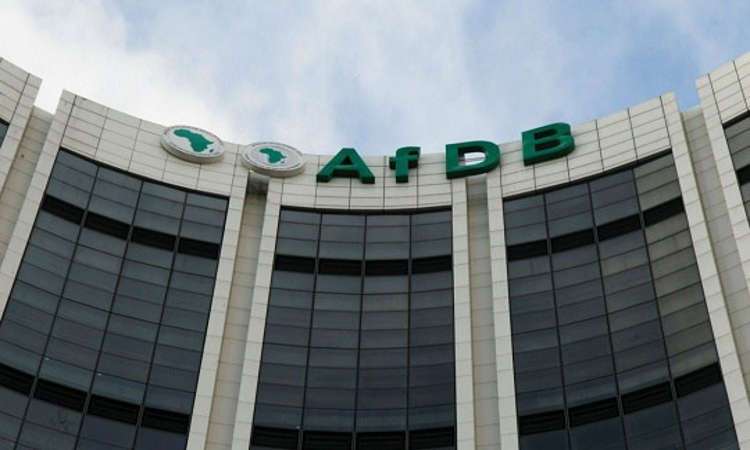
The African Development Bank (AFDB) is set to elect a new president this week during a high-level meeting in Ivory Coast, marking the end of Akinwumi Adesina’s decade-long tenure. Adesina, a Nigerian economist, is stepping down in September 2024 after completing two five-year terms—the maximum allowed by the bank’s charter.
According to The Pulse Info, candidates from South Africa, Senegal, Zambia, Chad, and Mauritania are in the running to take over the helm of Africa’s largest development finance institution.
Voting Process and Timeline
The election will be held over several days, with the final result expected on Thursday. To win, a candidate must secure:
50.01% of votes from the 54 African member states, and
A majority in a second round of voting that includes all 81 member countries, such as the United States, Japan, France, and the UK.
Nigeria remains the bank’s largest shareholder, giving it significant influence over the outcome.
A New Era Amid Funding Challenges
The incoming AFDB president will inherit a mixed bag of achievements and challenges. Chief among them is the U.S. government’s proposed $555 million cut in funding to both the AFDB and its lending arm, the African Development Fund (ADF). This development poses a serious test of leadership, financial diplomacy, and global engagement.
“This is going to be a major task, and it is effectively the new president’s first test,” said Hannah Ryder, founder of Development Reimagined, an Africa-focused policy consultancy.
To address the shortfall, Ryder suggests three main strategies:
Lobbying the U.S. to reverse or scale back the proposed funding cut.
Engaging non-regional partners like China, Saudi Arabia, or the UAE to step up contributions in exchange for more influence.
Encouraging African states to increase their own financial commitments to strengthen ownership and sustainability.
Global Politics Loom Large
The election also takes place against the backdrop of shifting international dynamics, particularly those shaped by the U.S. political climate under the Trump administration. According to Fred Muhumuza, a lecturer at Makerere University Business School in Kampala:
“Many of the key contributors have been cutting bilateral support to African countries. This trend is likely to affect how much leverage and financial assistance the next AFDB leader can count on.”
Why This Election Matters
The AFDB plays a pivotal role in financing infrastructure, energy, agriculture, and innovation across Africa. It has been instrumental in driving the continent’s development agenda, helping countries gain access to low-interest loans and development grants.
Adesina’s legacy includes:
Massive investment in renewable energy projects
Promotion of youth entrepreneurship through the Jobs for Youth in Africa program
Expansion of agricultural financing
Now, the pressure is on his successor to build on these gains while navigating global uncertainty and potential funding gaps.
The Road Ahead
As African leaders and international stakeholders gather in Abidjan, all eyes are on the AFDB presidential election 2024. The decision will not only shape the future of the institution but also influence Africa’s economic trajectory over the next decade.
Stay with The Pulse Info for real-time updates, candidate profiles, and expert analysis as the race to lead Africa’s premier development bank reaches its climax.
About the Author