Two Years of Reforms and Results
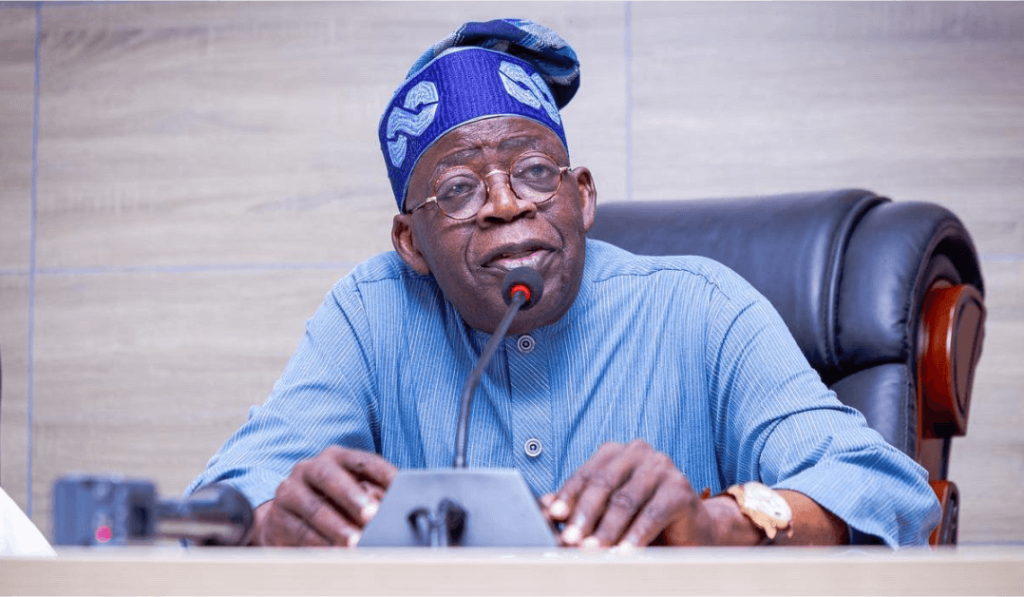
As President Bola Tinubu’s administration reaches its second anniversary, Aso Rock is striking a confident tone. Speaking for the government, Special Adviser on Information and Strategy Bayo Onanuga says the past 24 months have delivered measurable gains for both the economy and Nigeria’s democratic culture.
Forex Gap Closed, Economy Stabilised
Onanuga highlights one of the administration’s most visible successes: stabilising the naira. In mid-2023 the official and parallel markets were separated by a gap of ₦200–₦300 to the dollar—a disparity that fuelled arbitrage and uncertainty.
“That gap is now history,” he declared, crediting exchange-rate harmonisation for restoring investor confidence and improving the balance of payments.
Stronger trade numbers and healthier external reserves, he added, prove the reforms are working. While global headwinds persist, Nigeria now enjoys “a more predictable monetary framework” that lets local businesses plan long-term.
Inflation Edges Down, Food Prices Ease
Inflation is still high, yet Onanuga insists the worst is over. Headline inflation has begun to ease month-on-month, driven chiefly by slower food-price spikes.
“We expect a further decline in the coming weeks,” he said, adding that the goal is to put inflation on a sustained downward path so wages regain purchasing power.
Democracy “Alive and Thriving”
Beyond economic indicators, Onanuga dismissed speculation that President Tinubu is plotting to muzzle dissent or engineer a one-party state.
“Democracy is alive; it’s thriving,” he affirmed.
Opposition parties are holding press conferences and strategy sessions nationwide, he noted, proving pluralism is intact. Freedom of speech and association, the adviser argued, are not only protected but actively practised.
“Contrary to some insinuations that this government wants to impose a one-party system, it’s all absolute nonsense,” he added, urging critics to judge the administration by what citizens can do and say in the public square rather than by online rumours.
Looking Ahead: Consolidating the Gains
Onanuga acknowledged that Nigerians still face economic pressure, especially with the cost of living, but expressed confidence that the trajectory is positive. The presidency, he stressed, is focused on consolidating gains, driving inflation lower, and deepening reforms to attract investment into agriculture, mining and technology.
Planned policies include:
-
Fresh incentives for local manufacturers
-
An expanded social-investment programme to cushion vulnerable households
-
Targeted infrastructure spending to reduce logistics costs
“We have laid the foundation; the next two years will be about acceleration,” he promised.
Opposition Reacts
Opposition figures welcome the shrinking forex premium yet remain sceptical about the wider economic outlook, citing power supply and security challenges. The presidency points to ongoing power-sector investments and recent security-sector reforms, insisting tangible improvements will be evident before year-end.
International Perspective
Multilateral lenders and credit-rating agencies have taken note. In a recent review, one major global bank upgraded Nigeria’s outlook from “negative” to “stable,” citing rate convergence and clearer fiscal signals. Development partners have likewise pledged fresh funding for renewable energy, rail and digital-skills programmes—moves the presidency says will translate into jobs and inclusive growth.
Bottom Line
Two years into President Tinubu’s tenure, the administration believes it can claim progress on both economic and democratic fronts. Whether Nigerians agree will become clearer as promised inflation relief reaches household budgets. For now, the presidency remains adamant: talk of “Tinubu one-party system allegations” is unfounded, and the government’s focus is fixed on steering the economy toward sustainable growth while safeguarding Nigeria’s multi-party democracy.
About the Author